
The Role of Psychology in Gambling Behavior
The psychology behind gambling is complex and multifaceted, influencing how players approach games of chance. Cognitive biases, such as the illusion of control, often lead gamblers to believe that they can influence random outcomes. This belief can encourage riskier betting behaviors and can establish a strong emotional connection to the games, making gambling a thrilling experience. As you explore options, consider checking out new online casinos that provide exciting experiences.
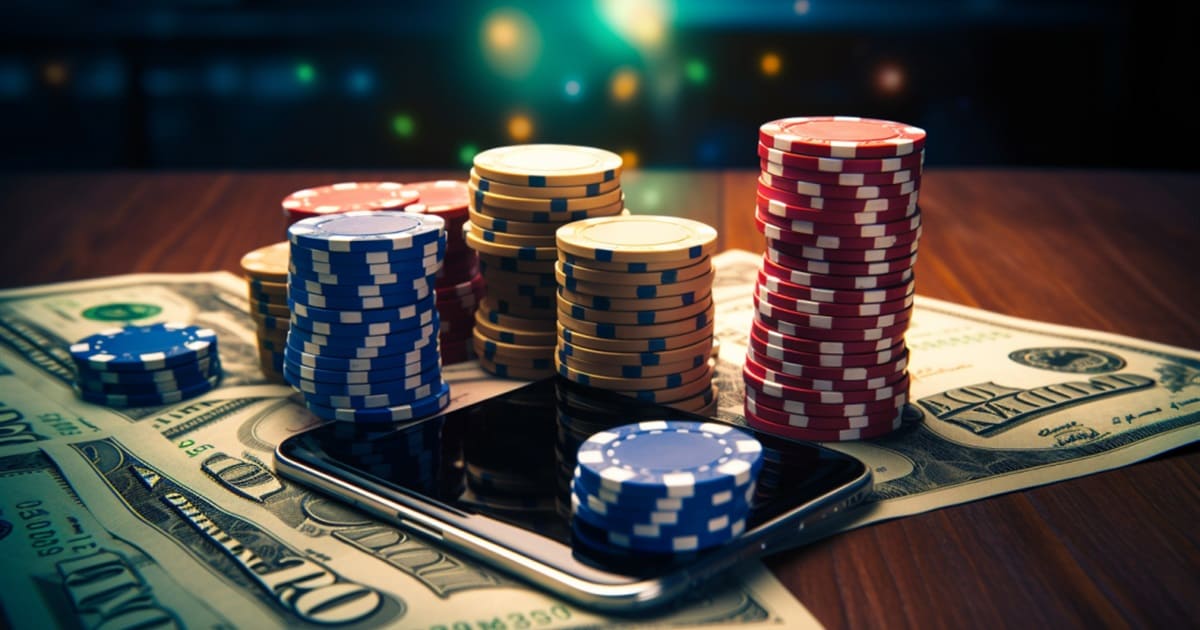
Additionally, emotions significantly impact gambling decisions. The rush of excitement during a win can lead to a heightened sense of confidence, prompting players to continue betting. Conversely, the emotional toll of losing can result in chasing losses, where players attempt to recover their losses through further gambling, often exacerbating their situation.
Understanding the House Edge and Player Strategies
Every game in a casino has a built-in statistical advantage for the house, known as the house edge. Understanding this concept is crucial for developing effective strategies. Players often employ methods such as bankroll management and strategic betting to maximize their chances of success while minimizing losses. These strategies require a firm grasp of probability and risk assessment, emphasizing the importance of logical reasoning in gambling.
Moreover, successful players often engage in thorough game research, learning the intricacies of various games. Whether it’s mastering the rules of poker or developing a system for betting in roulette, knowledge can significantly enhance a player’s ability to strategize effectively, even in games that rely heavily on chance.
The Impact of Environment and Social Influences
The casino environment plays a crucial role in shaping players’ experiences and decisions. The design of casinos, with their bright lights, sounds, and the absence of clocks, creates an immersive atmosphere that can lead to extended gaming sessions. This strategic design aims to keep players engaged, often encouraging them to gamble more than they initially intended.
Social influences also impact gambling behavior. Many players seek social validation or camaraderie while gambling, leading to collaboration in strategy; for example, players may share tips or experiences at the poker table. This social interaction can create a sense of belonging, which may further encourage gambling behaviors, for better or worse.
The Neuroscience of Winning and Losing
Recent studies in neuroscience have revealed the brain’s response to winning and losing in gambling scenarios. Winning triggers the release of dopamine, a neurotransmitter associated with pleasure and reward. This biochemical response reinforces the desire to gamble, as the brain begins to associate gambling with positive sensations. Conversely, losing can activate areas of the brain related to negative emotions, influencing future gambling decisions.
Understanding these neurological responses helps players recognize the powerful effects that wins and losses can have on their gambling behavior. By acknowledging these mental processes, players can develop a more balanced approach to gambling, aiding in responsible gaming practices and minimizing impulsive decisions driven by emotional highs and lows.

Enhancing Your Gaming Experience with Expert Reviews
To navigate the complexities of online gambling effectively, it’s essential to rely on expert reviews and guides. Our website offers a comprehensive overview of the best online casinos in Australia, tailored specifically for 2026. By providing detailed analyses of various games, including real money pokies, we empower players with the knowledge they need to make well-informed decisions.
Whether you’re a seasoned player or just starting, our expert insights and tips can elevate your online gaming journey. Join us to gain access to the latest news and updates, ensuring your experience is not only enjoyable but also grounded in strategic thinking built on psychological understanding.