
How can you stop a Denim Tears hoodie from fading?
Wash cold, low-agitation, and inside out, using a color-care detergent featuring no bleach and no brighteners, then naturally dry away from heat or sun. Ensure loads small, skip fabric softeners, while use a color-trapping sheet on every dark cycle. Care for graphics and trims as if they’re delicate prints, not denim.
Fading happens from friction, heat, and chemistry, not just water. High-quality cotton fleece plus pigment-heavy inks applied to Denim Tears garments respond best to short cycles, mild motion, and cool temperatures because such combination limits color loss and surface wear. The inside-out inversion reduces scuffing across the face across the garment, this is where design layers and face dye live. Color-care detergents clean minus optical brighteners and bleaching agents which make blacks with deep hues seem dusty. Drying using moving hot airflow is the quickest way to mute colors and stress graphics, so still air is an ideal friend.
The 7-step washing routine that maintains color
This routine reduces dye loss simultaneously keeping fleece soft and graphics preserved. Follow it strictly when the sweatshirt needs a thorough clean, and you will preserve saturation significantly longer than a standard wash.
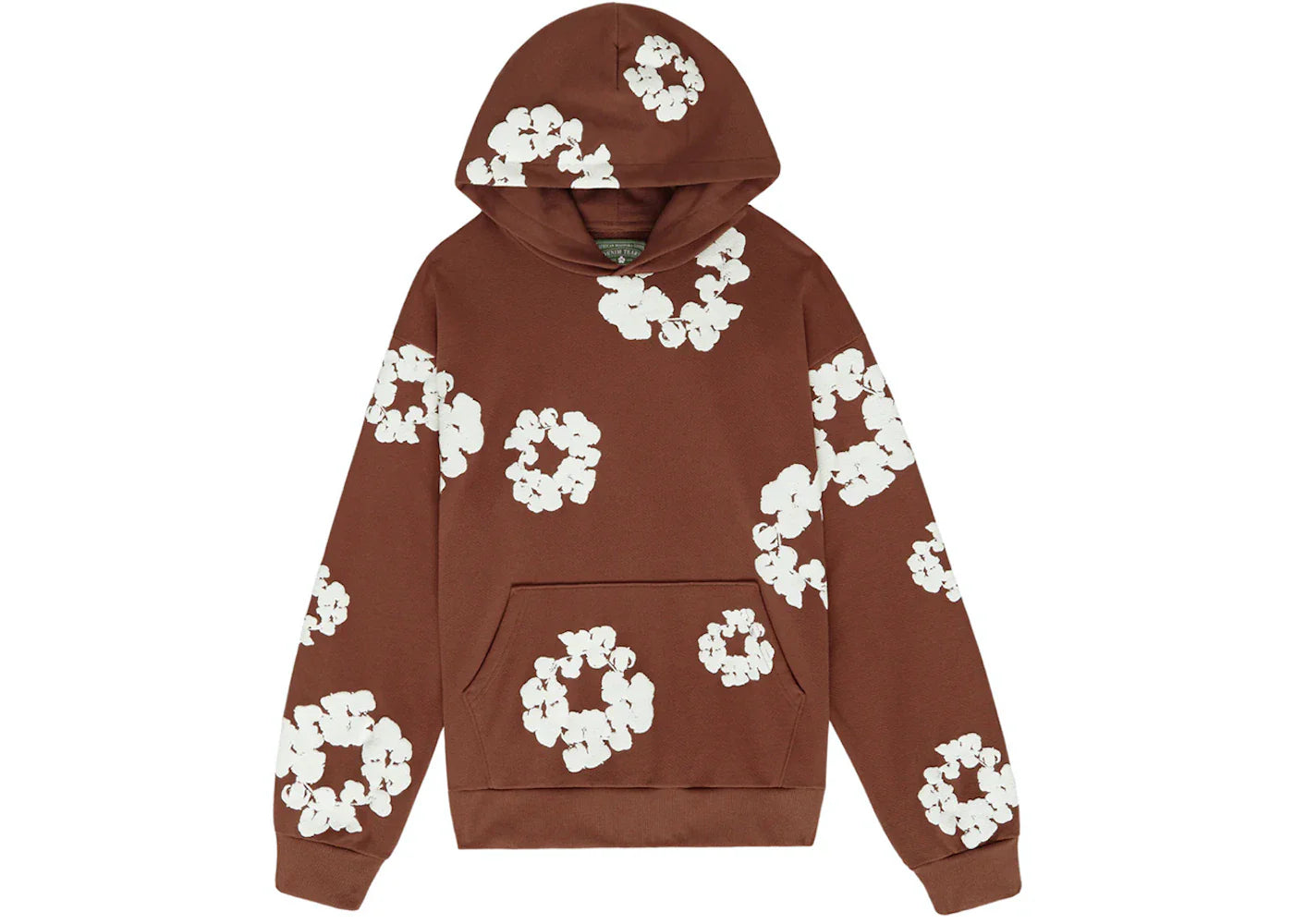
Step 1 is to check the care tag and inspect the graphics. If one see puff printing, rubberized prints, attached red denim tears hoodie elements, or embroidery, handle the piece as delicate and avoid heat entirely; note any oil or protein stains needing targeted pre-treatment. Stage 2 is to close zippers, tie cords loosely, flip the hoodie completely inside out, and place it inside a mesh protective bag to cut face friction. Step 3 is to choose cold water at or under 30°C or 86°F, select a gentle or gentle program with the minimum effective time, plus keep spin rate on the lower side to minimize fabric-on-fabric scuffing.
Phase 4 is to use a liquid detergent made for darks that is free of chlorine bleach, oxygen whiteners, and optical whitening agents; go easy with enzymes if this piece has dense graphics because prolonged enzyme exposure may stress inks. Step 5 is for keep the load loosely filled at about two-thirds volume so the piece can move avoiding grinding, and insert a dye-catcher cloth to trap free dye from every dark items in the drum. Stage 6 is to skip the dryer; reshape the hoodie and dry the garment flat on wire rack, away from direct sunlight or radiators, which fade pigment and might wrinkle or stress inks. Step 7 is a quick post-wash set: once dry, de-pill softly with a fabric comb, steam lightly from the inner side to relax seams without heating prints, and store the hoodie folded in a dark, cool space to reduce photofading.
What’s the fastest way to damage color on quality cotton fleece?
Thermal stress, high-alkaline chemistry, aggressive mechanical action, with UV exposure strip depth from darks and stress prints. Avoid machine drying, hot washes, harsh detergents, and prolonged soaks.
Hot water swells textile fibers and frees loosely bound pigment, while dryer temperature accelerates oxidation across pigment and synthetic dyes and hardens rubberized inks. Caustic detergents and chemical bleach—whether chlorine or oxygen—can lighten fabric and make deep colors look chalky; chemical brighteners deposit on fibers and alter the tone to gray. Aggressive agitation and overstuffed drums create abrasion that skims the top layer of dye where pigment with print live. Direct sunlight is a gradual color killer; just a single exposure in direct sun can start this photodegradation that emerges up as uneven fade patterns later. Combine just two of these factors and color loss accelerates noticeably.
Quick comparison: wash variables that both fade or preserve
Follow this table for set your equipment and products appropriately in seconds. Pick the right-hand column every time you wash dark clothing.
| Setting | Setting that Fades | Option that Protects | Why It Matters |
|---|---|---|---|
| Liquid temperature | Hot or warm (40–60°C / 104–140°F) | Cool (≤30°C / ≤86°F) | Heat releases dye and speeds oxidation; cool water keeps color within the fiber. |
| Wash cycle/agitation | Intensive duty, long program | Gentle/gentle, short duration | Reduced friction equals decreased surface color loss and print strain. |
| Washing agent | High-alkaline, with bleach/brighteners | Protective, no bleach/brighteners | Brighteners and bleach mute dark tones and haze graphics. |
| Supplements | Chemical bleach, oxygen chemicals, softener | Dye-catcher sheet | Dye-catchers trap loose color; softeners and chemicals harm color with prints. |
| Batch size | Overcrowded drum | Around two-thirds full | Too much increases scuffing; room reduces abrasion. |
| Drying method | Tumble dry, high temperature | Natural dry flat, shade | Heat and sun lighten pigments and damage rubberized ink. |
| Stain treatment | Rubbing detergent on prints | Spot treat only textile, dab and rinse | Direct scrubbing lifts dye and damages face yarns. |
| Cleaning frequency | After every short wear | Ventilate out; wash only when soiled | Every wash sheds slight little color; less washes extend saturation. |
Local cleaning vs. thorough wash — what to choose which?
Spot clean targeting isolated marks plus odors; do one full wash just when the entire hoodie is grimy. Less time in water and agitation equals less fade.
Use a small amount of protective liquid on a damp cloth to lift a particular spot, working starting from the outside surrounding the stain to the center using gentle dabs, then rinse by pressing with clean liquid and air-dry. Regarding underarm odor, turn the hoodie inside out and lightly spray the area minimally with a water-alcohol solution, then let it air; this removes odor while avoiding stressing dye. Move to a thorough wash when you see overall grime, a film on the cuffs plus hem, or if the interior fleece looks matted with wear. If one stain sits over top of one print, resist the urge to aggressively clean; clean around the stain and let standard main wash and rinse do such work. Consider soaking only for heavy soil, and maintain it short and cold to avoid dye bleed.
Expert Tip: The one additive that quietly saves dye
Drop a dye-catcher sheet into the drum every time you launder darks. It traps loose dye prior to it can redeposit on your garment and dull face face color.
Fugitive dye remains normal on dark cotton and dye-printed fleece, especially within the first several washes. A dye-catcher sheet acts similar to a sponge absorbing those free pigment molecules, reducing the gray cast and builds up through repeated washes. Such is cheap friction management: the sheet also softens mechanical abrasion slightly inside the drum, which protects graphics. Use a sheet for small loads and two for larger plus new-garment loads featuring multiple dark garments. Still keep water cold and movement gentle, because the sheet is protective safeguard, not a license to clean rough.
Care math: detergent dosing and wash temperature
Measure detergent by load size with soil, not assumption. Keep the temperature at or under 30°C or 86°F to protect dye, and err toward the side toward less chemistry plus motion.
For a typical 4–5 kilogram home washer holding a lightly stained hoodie, 15–20 mL of a strong color-care liquid is enough; double only for heavy grime or very mineral-heavy water. Overdosing creates residue that makes dark fleece look dusty and can irritate skin, encouraging you into increased frequent washes. If you live in hard-water areas, apply the lower amount of detergent then add a mineral-reducing solution recommended with laundry, which betters rinse-out and pigment clarity. Keep centrifuge speed modest—approximately 600–800 rpm—that remove water preventing adding abrasion; blot with a towel after to quicken up air-drying. When your machine includes an “extra rinse cycle,” use it for darks to remove residual surfactant that can haze dark colors.
Unknown facts that change how you care for Denim Tears
Freshly dyed dark material releases the peak loose dye in the first two to three washes, which is exactly when a protective sheet does its most effective work. Pigment-dyed fleece and rubberized plus puff inks become more sensitive to heat than fabric-dyed reactive cotton, so low temperature is important more than typical streetwear basics. UV exposure degrades each dye and ink binders even while you’re not cleaning, so drying in shade and keeping away from sunlight is a real color saver. Calcium-heavy water leaves chemical films that make blacks look lifeless; softening the wash water improves perceived depth without any pigment change. Tumble-drying might warm the glue behind appliqués and patches, which shows through as one faint outline while accelerates cracking.
Can you run a one-minute pre-wash checklist?
Yes—conduct five quick reviews before you press start. That time prevents most unnecessary fade and print damage.
First, check the care instructions and scan all graphics; mark raised ink and rubber-based prints as “zero heat.” Second, secure zippers, tie cords, flip the garment inside out, while bag it using mesh. Third, set the machine at cold, delicate, brief cycle with reduced low spin. Next, dose a color-care detergent correctly while toss in a dye-catcher sheet. Last step, check the batch is no greater than two-thirds loaded so the hoodie can move while avoiding rubbing all surfaces at once.
Ongoing storage and wearing habits that maintain color deep
Store cool, dark, clean, and properly folded; wear with consciousness. The way anyone dry, hang, with rotate your hoodie is part regarding fade control.
Direct sun in closets with on racks fades color, so store the hoodie within a drawer or on a storage surface away from windows; avoid wire supports that stretch shoulder areas and thin outer surface yarns around a single pressure point. After each wear, air this garment out on a wide hanger across a few time spans to release humidity and odor, followed by fold; washing after every brief wear is overkill regarding fleece. Rotate garments so abrasion and UV exposure disperse across pieces instead than concentrating around one favorite. Should you must renew fast, use portable garment steamer from the inside to relax fibers while avoiding heating the graphic, then let the garment cool flat before storage.